12414 Penn St, Whittier, CA Monday - Sunday: 7AM - 7PM
21+ Years in Whittier · Licensed & Insured

Insulation Contractor in Whittier, CA for Cooler Attics & Lower SCE Bills

On a July afternoon in Whittier, the air in your attic can climb past 140°F. That's where most local homes keep the furnace and ductwork, and often all that sits on top of them is an inch or two of flattened, rodent-soiled rock wool from the 1950s. Your AC runs into the 4–9 pm peak, the bedrooms still feel stuffy, and the SCE bill goes up. Whittier Insulation Experts has been fixing exactly this problem since 2005. We remove what's failing, seal the leaks and install insulation sized for Climate Zone 9 heat, so your home stays cooler for less.

We know the housing around here. We've worked in plaster-walled Craftsman bungalows in Uptown Whittier, tight-attic post-war ranches in Downey, Norwalk and Pico Rivera, and two-story 1970s homes in Hacienda Heights and Cerritos that still have R-11 overhead. Each of those homes needs a different approach, and we plan around that. Our crew explains the job in plain terms, protects your floors and belongings, and cleans up before leaving. You'll get a clear scope and price before any work begins.

  • Serving Whittier and nearby cities since 2005
  • Bonded and insured
  • Free in-home consultations

Since 2005, Whittier-area homeowners have relied on us for clear communication, respect for their homes and work we stand behind.

Request Your Free Estimate

No obligation. Fast, honest quotes.

Your information is never shared.

Online Estimates
Onsite Service
Licensed & Insured
Customer Rated
Local Expertise

Why Whittier-Area Homes Need Better Insulation

Whittier sits in the hot inland part of the LA basin. Here the cooling season drives energy costs, while heating barely matters. Add older housing, attic-mounted ductwork and California's strict Energy Code, and insulation becomes one of the most cost-effective upgrades you can make to a home here.

Inland Heat, Santa Anas and Smoke: Climate Zone 9 Realities

Whittier and most nearby cities fall in California Building Climate Zone 9. Downey, Norwalk, Cerritos and Bell Gardens sit near the Zone 8 line. From July through September, afternoons usually reach the upper 80s and low 90s, and heat waves regularly push past 100°F. In early fall, Santa Ana winds bring dry offshore air on top of that heat. Strong sun on dark composition shingles can push unvented attic air to 130–150°F or higher. Rainfall averages only 14–15 inches a year, and winter highs stay in the 60s, so cooling demand far outweighs heating. Gaps around can lights, top plates and attic hatches also pull in fine dust and smoke from Puente Hills and San Gabriel Mountains wildfires. That makes air sealing as important as R-value.

Craftsman Bungalows, Post-War Ranches and 1970s Two-Stories

Uptown Whittier and the neighborhoods around Whittier College have Craftsman, Spanish Colonial Revival and Victorian homes built from about 1900 to 1930. They usually have uninsulated lath-and-plaster walls, raised foundations over open crawlspaces, and sometimes knob-and-tube wiring. Most of the service area, including South Whittier, Downey, Norwalk, Pico Rivera, La Mirada, Santa Fe Springs and Montebello, was built between the 1940s and 1960s. Those single-story stucco ranches have small, low-clearance attics. Their original 1–3 inches of rock wool or early fiberglass has usually compressed, been soiled by rodents or been disturbed by later HVAC work. Homes from the 1960s to 1980s in Cerritos, Hacienda Heights, Rowland Heights and La Habra typically have R-11 to R-19 in the attic. That's well below today's R-38 target. Many also have ducts with only a thin R-4 wrap or none at all.

Title 24, Local Permits and Safety Rules

California's Title 24, Part 6 Energy Code calls for about R-38 in Zone 9 attics, R-13 to R-21 in walls and R-6 or better on ducts. Altered ducts need sealing and HERS verification. Under the 2022 code, reroofs, HVAC changeouts, ADUs and additions can trigger attic insulation and air-sealing upgrades. Permits go through each city's building department in Whittier, Downey, Norwalk, Cerritos, La Habra and the other incorporated cities. Unincorporated East LA, Hacienda Heights and Rowland Heights go through LA County Building & Safety. In older homes, suspected asbestos in vermiculite, duct wrap or popcorn ceilings has to be tested. Any removal must follow South Coast AQMD Rule 1403. Historic districts such as Hadley-Greenleaf and College Hills rarely restrict interior attic work. Exterior vent or roof changes, however, may need design review.

Value-Minded, Multigenerational Households

Many owners in Whittier, Downey, La Mirada and Hacienda Heights have lived in their homes for decades. They tend to upgrade step by step, often around a reroof or a new AC system. In multigenerational homes, a 105°F heat wave is a real health concern for elderly relatives, and tiered, time-of-use SCE rates make evening cooling expensive. Plenty of homeowners have also been burned by door-to-door 'free energy program' pitches. They want an established, bonded and insured local contractor who quotes up front and doesn't overpromise on rebates.

Know The Signs

Common Insulation Problems We Find in Whittier-Area Homes

Most calls start with a symptom: a bedroom that won't cool down, a smell coming from the ceiling, or an SCE bill that jumped. Below are the problems we find most often in attics, walls and crawlspaces across the Whittier area, why they happen here, and how we fix them.

Rodent-Contaminated Attic Insulation

Serious

Rats and mice tunnel through attic insulation and nest in it, leaving droppings and urine behind. Soiled insulation loses much of its R-value, gives off odors and can carry pathogens. It also keeps attracting more rodents until it's removed and the entry points are sealed.

Why it happens here

The Puente Hills, Whittier Narrows and older neighborhoods full of fruit trees support large roof rat populations. Post-war homes in South Whittier, Pico Rivera and Montebello often have loose roof-eave screens, gaps at the gable vents and unsealed plumbing penetrations. Their soft, decades-old rock wool makes ideal nesting material. In hot summers, rodents also move into shaded attics looking for shelter. In older homes, we see this problem more than anything else.

Signs to watch for
  • Scratching or scurrying overhead at night
  • Musty or ammonia-like odor from ceiling vents or the hallway hatch
  • Droppings visible around the attic access
  • Tunnels or flattened trails through insulation
  • Chewed wiring or duct wrap
  • Fruit-tree or ivy branches touching the roofline
Local patterns

Rodent contamination is especially common in hillside-adjacent homes near the Puente Hills and Friendly Hills, in older Uptown Whittier properties with mature citrus trees, and in 1950s tracts in Pico Rivera and South Whittier. Calls peak in late summer and fall.

Our fix

We vacuum out all contaminated insulation, sanitize and deodorize the attic, seal rodent entry points, then install fresh blown-in insulation to R-38.

Thin, Compressed Post-War Attic Insulation

Moderate

This is the original 1–3 inches of rock wool or early fiberglass that has settled and matted down over 60 or more years. It delivers maybe R-5 to R-9 today, far below the roughly R-38 that Title 24 targets for Zone 9 ceilings.

Why it happens here

Most homes in Downey, Norwalk, La Mirada and Santa Fe Springs were built between 1945 and 1965, when builders installed very little insulation. Decades of 140°F summer attic temperatures, foot traffic from HVAC and electrical crews, and dust settling on top have compressed it further. Because these low-slope ranch attics are hard to get into, most owners have never looked, so the original material is often still there.

Signs to watch for
  • Ceiling joists visible above the insulation
  • Ceilings warm to the touch on summer afternoons
  • AC runs nonstop through the 4–9 pm peak
  • Summer SCE bills well above what similar neighbors pay
  • Gray, dusty or patchy insulation
  • Bare spots near the hatch or furnace platform
Local patterns

This shows up in single-story stucco ranches across Downey, Norwalk, La Mirada, Santa Fe Springs, Bell Gardens and South Whittier, especially homes that have had a newer AC system installed without anyone touching the attic insulation.

Our fix

We air-seal the top plates and penetrations, then blow loose-fill fiberglass or cellulose to R-38. Badly soiled material comes out first.

Uninsulated or Leaky Ducts in a Hot Attic

Serious

Supply ducts running through a superheated attic with no insulation, a thin R-4 wrap or leaking joints. Cool air picks up heat before it ever reaches a vent, and leaks dump conditioned air straight into the attic.

Why it happens here

In most Whittier-area homes, the furnace and duct runs sit in the attic. When the attic hits 140°F, an R-4 duct is running in an oven. Older flex duct breaks down, and tape joints dry out in the heat. Cerritos and Hacienda Heights two-stories with long duct runs to upstairs bedrooms take the biggest hit.

Signs to watch for
  • Weak airflow at the far rooms
  • Upstairs bedrooms 5–10°F warmer than downstairs
  • Dust streaks around supply registers
  • Crushed, torn or disconnected flex duct
  • Duct jacket falling apart or brittle
  • Dusty air even after changing filters
Local patterns

Leaky ducts are most common in 1960s–1980s two-story homes in Cerritos, Hacienda Heights, Rowland Heights and La Habra. Post-war ranches whose ducts were replaced without sealing or HERS verification have the same problem.

Our fix

We insulate the attic floor to code and coordinate duct sealing and R-6 or better duct insulation. When ducts are altered, Title 24 requires HERS verification.

Air Leaks Letting In Smoke, Dust and Heat

Moderate

Unsealed gaps at recessed can lights, wall top plates, plumbing and wiring holes, and attic hatches. Insulation slows heat moving through a ceiling, but it doesn't stop air from passing through. Gaps like these let attic air, dust and smoke into living spaces.

Why it happens here

When Santa Ana winds blow and wildfire smoke drifts in from the Puente Hills or the San Gabriel Mountains, every unsealed ceiling gap becomes a path into the house. Older homes have dozens of these openings left by decades of rewiring and can-light retrofits. Inland basin smog makes indoor air quality worse.

Signs to watch for
  • Dust lines on carpet edges or around can lights
  • Smoky smell indoors during fire season
  • Drafts around the attic hatch
  • Black smudges on the insulation above light fixtures
  • Rooms that heat up quickly on windy days
Local patterns

Air leaks are especially noticeable in Friendly Hills and Hacienda Heights homes closest to the hills, and in Whittwood/East Whittier ranches with many can-light retrofits. Complaints spike during September–November Santa Ana events.

Our fix

Before insulating, we seal top plates, penetrations and the hatch with foam and caulk. That way new insulation performs at its rated value and blocks outside air.

Hazardous Legacy Materials: Vermiculite, Asbestos and Knob-and-Tube

Emergency

Some pre-1980 homes contain vermiculite attic fill, asbestos duct wrap or popcorn ceilings, and some still have live knob-and-tube wiring. None of these should be disturbed or covered with blown insulation until they've been tested or evaluated.

Why it happens here

Uptown Whittier's Craftsman and Victorian homes and the older East LA and Montebello housing stock date from the decades when these materials were standard. Disturbing asbestos is regulated under South Coast AQMD Rule 1403. Burying active knob-and-tube wiring under insulation creates a fire risk.

Signs to watch for
  • Gray-brown, pebble-like granules in the attic
  • White, papery wrap on older ducts
  • Ceramic knobs and tubes along the joists
  • Popcorn ceiling texture original to the home
  • No record of past testing
Local patterns

Look for this in homes near Whittier College and in Hadley-Greenleaf, College Hills and older East Los Angeles and Montebello homes built before 1940. It's also found in some post-war homes with vermiculite top-ups.

Our fix

We stop work and arrange testing. Any abatement goes to properly registered contractors, and wiring goes to an electrician for evaluation. Insulation work starts only after the space is cleared.

Cold Floors Over Uninsulated Crawlspaces

Minor

Raised-foundation homes with no insulation between the floor joists. Cool crawlspace air chills the floors in winter, and damp, open crawlspaces can invite pests and musty odors.

Why it happens here

Craftsman bungalows and some post-war homes in Whittier, Montebello and East LA were built on raised foundations. Few of them were ever insulated underneath. Winter lows in the 40s aren't extreme, but they're enough to make hardwood floors uncomfortable. Seismic retrofit work, a common upgrade here since the 1987 Whittier Narrows quake, is a good time to insulate.

Signs to watch for
  • Cold floors on winter mornings
  • Drafts at baseboards
  • Musty smell from floor registers
  • Sagging or missing batts below
  • Rodent activity under the house
Local patterns

Most common in Uptown Whittier, around Whittier College, and in older Montebello and East Los Angeles neighborhoods with pier-and-post or cripple-wall foundations.

Our fix

We install R-19 or higher batts between the floor joists, secured with supports, and seal the larger gaps to the house. Damaged or fallen material is cleared out first.

Empty Plaster Walls and Freeway Noise

Minor

Exterior walls with nothing inside the cavities, a common condition in pre-1950 homes. These walls let heat and street noise pass straight through.

Why it happens here

Lath-and-plaster homes in Uptown Whittier were built before wall insulation was standard. Homes near the I-5, I-605, the 60 and the 105, or along the Union Pacific and BNSF lines and the industrial areas in Commerce and Santa Fe Springs, also deal with constant noise.

Signs to watch for
  • Exterior walls feel warm on summer afternoons
  • Freeway or train noise clearly audible indoors
  • Rooms on the west side overheat
  • Infrared or outlet checks show empty cavities
Local patterns

Most common in Uptown Whittier Craftsmans, Bell Gardens and Commerce homes near rail lines, and Norwalk and Downey homes backing onto the 605 or the 5.

Our fix

We use drill-and-fill dense-pack insulation through small, carefully placed holes, then patch them. This keeps original plaster intact while improving comfort and reducing noise.
What We Do

Insulation Services Built for Whittier's Homes and Heat

Every service below is matched to how homes are built here and how the inland heat hits them. We recommend what your attic, walls or crawlspace actually need. We won't push the most expensive option, and we'll tell you plainly when a simple top-up is enough.

Specialty

Attic Insulation

We bring under-insulated attics up to roughly R-38, the Title 24 target for Zone 9 ceilings. Before any new material goes in, we seal the air leaks that let heat, dust and smoke into the house.

Our approach

First we measure the existing depth and look for contamination, vermiculite and knob-and-tube wiring. Then we seal top plates and penetrations, baffle the eave vents, insulate and weatherstrip the hatch, and blow insulation to an even, marked depth.

In Whittier, CA

Attics in Whittier, Downey and Norwalk can reach 140°F with ductwork sitting inside them. Raising attic R-value is often the single biggest comfort upgrade for these homes. It also cuts how long the AC runs during SCE's 4–9 pm peak.

Best for

Post-war ranches with old rock wool, 1970s two-stories with R-11 to R-19, and homeowners planning a reroof or HVAC changeout.

Specialty

Spray Foam Insulation

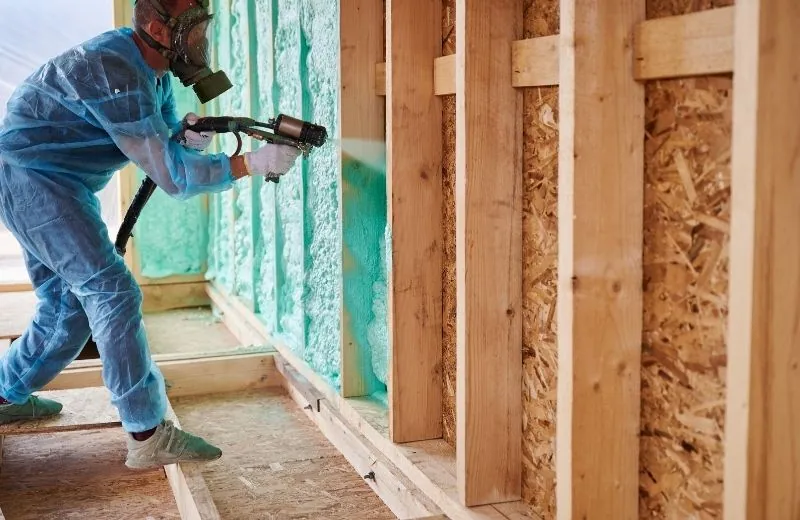
We apply open- or closed-cell spray polyurethane foam that insulates and air-seals in a single layer. It works on rooflines, rim joists, ADU walls and irregular cavities where batts and loose fill don't perform well.

Our approach

We choose open- or closed-cell foam based on the assembly. Before spraying, we mask and protect the work area and set up ventilation, then apply the foam to code-required thickness. Unvented roofline jobs are designed to meet Title 24 requirements.

In Whittier, CA

Spray foam fits well in Cerritos and Hacienda Heights homes with ductwork in the attic. Foaming the roofline brings the ducts inside the thermal envelope. It also works for garage conversions and ADUs that need tight, code-compliant walls and ceilings.

Best for

Homes with ducts in the attic, ADUs and garage conversions, tricky framing, and owners who want maximum air sealing against smoke and dust.

Blown-In Insulation

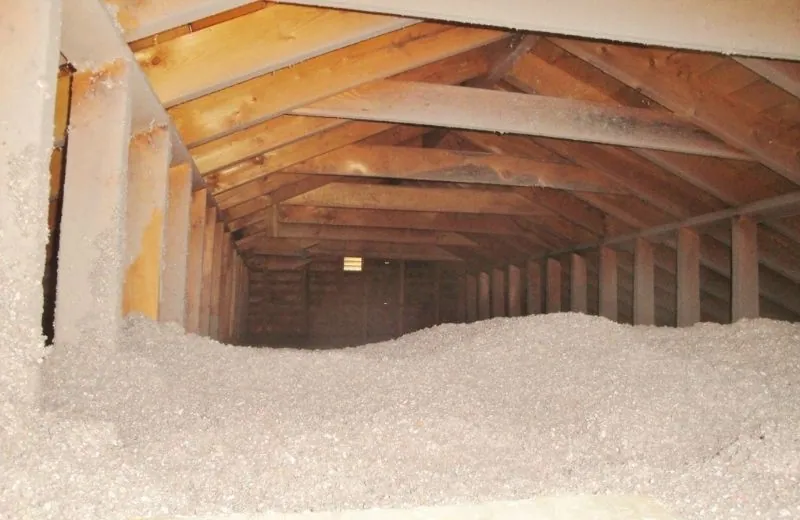
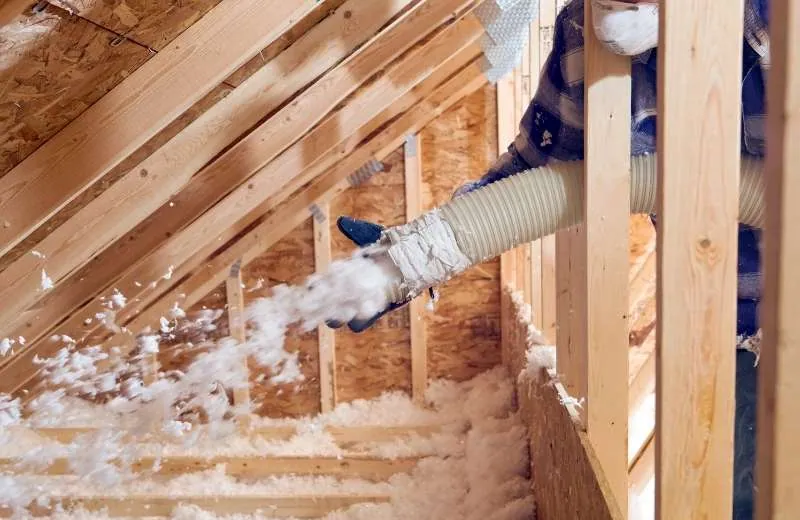
We install loose-fill fiberglass or cellulose that fills around joists, wiring and blocking without gaps. It's the most cost-effective way to add R-value to an open attic floor.

Our approach

Material goes in with a truck-mounted or portable blower. We place depth rulers throughout the attic, add vent baffles, and dam around the hatch and any recessed fixtures as required.

In Whittier, CA

Blown-in insulation suits the tight, low-slope attics in Pico Rivera, Santa Fe Springs and Bell Gardens, where rolling out batts by hand is slow and leaves gaps. It's also how we do drill-and-fill dense-packing in plaster walls.

Best for

Top-ups over clean existing insulation, low-clearance attics, and budget-conscious upgrades that need fast payback.

Insulation Installation

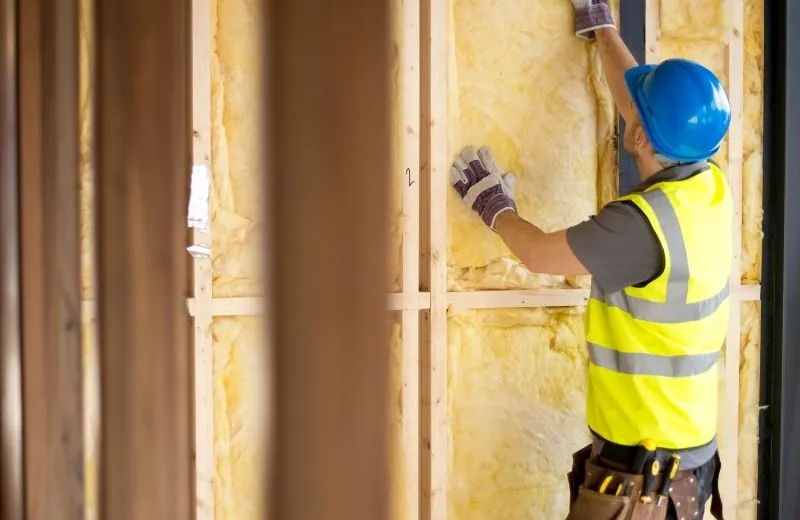
We install new insulation in walls, ceilings, floors and additions: batts, blown-in or foam. Each job is sized to Title 24 and matched to the assembly being insulated.

Our approach

We confirm the required R-values for each assembly and coordinate with your permit and HERS rater when the job calls for one. Batts are installed without compression or voids so they reach their rated R-value.

In Whittier, CA

ADUs and garage conversions are going up all over Downey, Norwalk and La Mirada. We insulate them to pass inspection under the city building department or LA County Building & Safety, depending on the address.

Best for

ADUs, garage conversions, additions, remodels with open walls, and new construction.

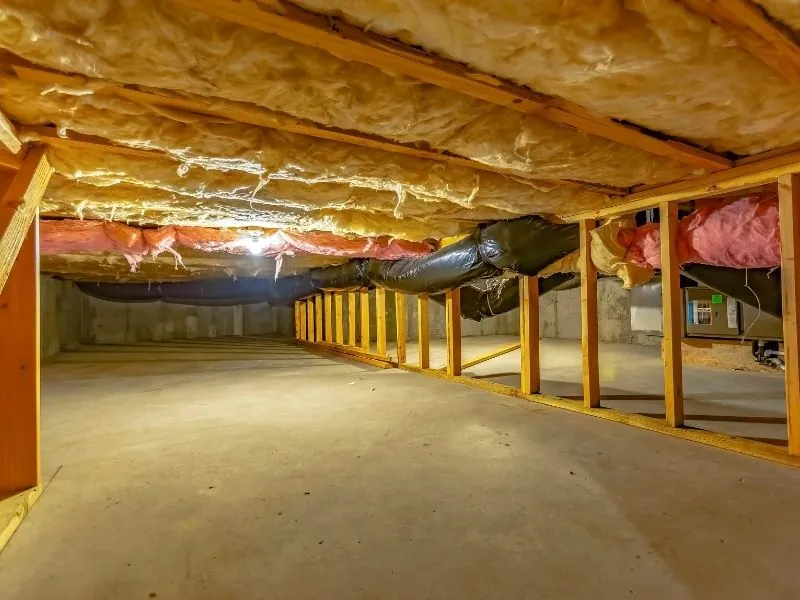
Crawl Space Insulation

We insulate the floors of raised-foundation homes so they're warmer in winter, and we seal off the drafts and pest paths coming up from below.

Our approach

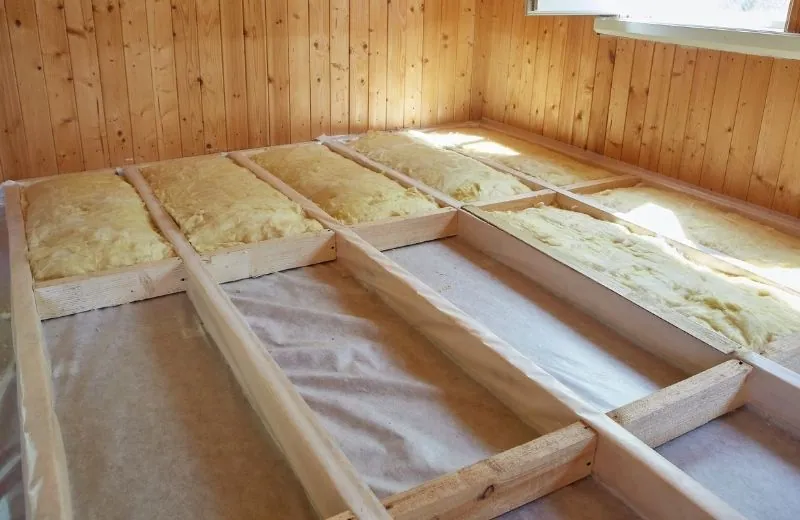
Before installing anything, we inspect for moisture, pests and old debris. Then we fit R-19 or higher batts between the joists, secure them with supports, and seal the larger floor penetrations.

In Whittier, CA

Uptown Whittier Craftsmans and older Montebello and East LA homes often sit over completely open crawlspaces. If you're planning a seismic retrofit, that's an efficient time to insulate the floor.

Best for

Raised-foundation homes with cold floors, musty odors or old batts that have fallen down.

Insulation Removal

We remove rodent-soiled, wet, smoke-damaged or failing insulation completely. Then we clean and sanitize the attic so it's ready for new material.

Our approach

We use high-powered vacuum removal that bags the debris straight into sealed containers. The attic is then sanitized and deodorized, and rodent entry points are sealed. Suspected asbestos is tested first and handled under Rule 1403.

In Whittier, CA

We do a lot of removal jobs near the Puente Hills, Friendly Hills and South Whittier, where roof rats are a constant problem. Removing contaminated insulation clears out the odor and the health concerns along with the old material.

Best for

Attics with rodent contamination, smoke or water damage, or insulation so compressed it isn't worth topping up.

Insulation Replacement

This is a full removal followed by a new install. We take the old material out, seal everything and put in fresh insulation to current code in a single coordinated project.

Our approach

The job runs in order: removal, sanitizing, rodent-proofing, air sealing, baffles and new blown-in or spray foam insulation. You get one scope and one crew from start to finish.

In Whittier, CA

Replacement makes the most sense for 60-year-old homes in Downey, Norwalk and Pico Rivera. Their original rock wool is usually too dirty and too thin to be worth saving.

Best for

Homeowners who want to fix the whole attic at once, especially before or after a reroof or new AC.

Simple & Transparent

How Your Insulation Project Works

No pressure and no surprises. Here's exactly what happens from your first call to the final cleanup, and how long each step usually takes.

Free Consultation and Attic Inspection

  • We check insulation depth, type and condition
  • We look for rodent activity, vermiculite, asbestos-suspect duct wrap and knob-and-tube wiring
  • We note duct condition, air leaks and attic ventilation
  • You get photos so you can see what we saw

We schedule attic inspections for the morning in summer. Afternoon attic temperatures in Whittier often top 130°F.

About 45–90 minutes, usually scheduled within a few days

Clear Written Scope and Price

  • Itemized scope covering removal, sealing and target R-value
  • Options explained, including blown-in, batts or spray foam
  • Permit and HERS needs identified when they apply
  • Financing options reviewed if you want them

We'll tell you which programs are worth checking, such as SCE, SoCalGas, TECH Clean California or the federal 25C credit. We won't promise amounts that change often.

Within 1–2 days of the inspection

Prep, Permits and Testing

  • Permits pulled when the scope requires them
  • Any asbestos testing or electrical evaluation arranged
  • Work date confirmed
  • Access path planned and protected

Permits go through your city building department, or LA County Building & Safety for East LA, Hacienda Heights and Rowland Heights.

A few days to 2 weeks, depending on permits or testing

Removal, Air Sealing and Installation

  • Floors and furniture covered along the work path
  • Old material vacuumed out and the attic sanitized if needed
  • Top plates, penetrations and entry points sealed
  • New insulation installed to marked depth

Tight ranch attics in Pico Rivera and Bell Gardens take careful work, so we plan the crew size for safe access.

Usually 1–2 days; removal plus reinstall can take 2–3

Walkthrough, Cleanup and Final Sign-Off

  • Before-and-after photos and depth markers reviewed with you
  • Final inspection or HERS verification coordinated if required
  • Full cleanup of the work area
  • Your questions answered, and we stand behind the work
Same day as completion; inspections as scheduled
The WHITTIER INSULATION EXPERTS Difference

Why Homeowners Choose Whittier Insulation Experts

Local Insulation Specialists Since 2005

We've been insulating homes in Whittier and the surrounding cities since 2005, so we've been inside a lot of the attics around here. We know a South Whittier ranch probably has 1950s rock wool and a duct run with no insulation. A Hacienda Heights two-story likely has R-19 that settled long ago. A Craftsman near Whittier College needs a wiring check before anything gets blown in. Knowing all that up front means fewer surprises, more accurate quotes and recommendations that fit how your home was built and how the inland heat hits it.

Bonded and Insured for Your Protection

Insulation work means crews moving through your home, working in attics over your ceilings and handling heavy equipment. We're bonded and insured, so you're protected if something goes wrong. That matters even more in a market where plenty of homeowners have been burned by door-to-door 'free energy program' sales pitches. Ask us for proof of coverage before the job starts, and we'll gladly provide it. We'd encourage you to ask the same of any contractor who steps into your attic.

Specialists in Attic, Spray Foam and Blown-In Work

Insulation is our core business. We don't do roofing or HVAC and add insulation as a sideline. We focus on insulation installation, spray foam and attic work, plus removal, replacement and crawlspace jobs. That focus shows in the details: baffling eave vents so airflow isn't blocked, sealing top plates before insulating, damming around fixtures and the hatch, and blowing insulation to an even, marked depth. Those details are why the job actually lowers your bills instead of just looking good in a photo.

Honest Recommendations, Upfront Pricing

Sometimes all an attic needs is a few more inches of blown-in insulation. Sometimes it needs a full removal and sanitizing. We'll show you photos and explain the difference. You'll get a written, itemized price before work begins, with no pressure to upsell. If your existing insulation is clean and simply thin, we'll say so. We'd rather earn your trust and your neighbors' referrals than sell you something you don't need.

We Handle the Messy and Hazardous Parts Right

Rodent-soiled insulation, vermiculite and old wiring are common in this area's older housing. We don't take shortcuts with them. Suspected asbestos gets tested before it's disturbed, and any removal follows South Coast AQMD Rule 1403 through properly registered professionals. Knob-and-tube wiring gets evaluated before insulation goes over it. Contaminated material is vacuumed straight into sealed bags. That approach protects your family, especially elderly relatives or kids, and it protects our crew too.

Respectful Crew and Clear Communication

We cover your floors, protect your furniture and keep the work area tidy. You'll know when we're arriving, what we're doing that day and when we expect to finish. If we find something unexpected, like a disconnected duct or fresh rodent activity, we stop and show you before we change the plan. When the job is done, we walk you through before-and-after photos and stand behind the work we did.

Financing and Code Guidance

Financing is available, so you don't have to wait for the next heat wave to fix a hot attic. We'll also help you sort through Title 24 requirements tied to reroofs, HVAC changeouts and ADUs. When a permit or HERS verification is needed, we'll make sure it gets coordinated. And we'll point you to current SCE, SoCalGas and federal programs to check, without making rebate promises that may not hold up.

Trusted Locally

Trusted by Whittier-Area Homeowners Since 2005

Since 2005, Whittier-area homeowners have relied on us for clear communication, respect for their homes and work we stand behind.

2005
Serving the Area Since
20-Mile
Service Radius from Whittier
Free
In-Home Consultations
Available
Financing Options
BondedInsured
Where We Work

Insulation Services Across Whittier and the Southeast LA Basin

From our Whittier base, we cover homes within about 20 miles, from Uptown Craftsmans to the hillside neighborhoods of Hacienda Heights. Each area has its own housing stock and its own permit office, and we're familiar with all of them.

Whittier and the Puente Hills

WhittierLa HabraHacienda HeightsRowland HeightsLa Mirada

Gateway Cities and the I-5/605 Corridor

DowneyNorwalkCerritosSanta Fe SpringsPico Rivera

East LA and the San Gabriel Valley Edge

East Los AngelesMontebelloBell GardensCommerceSouth El Monte

We serve homes within about a 20-mile radius of Whittier. If your city isn't listed, contact us and we'll confirm coverage. Not sure if we cover your area? Call (562) 667-3944.

Transparent Pricing

What Does Insulation Cost in Whittier, CA?

Most Whittier-area insulation projects run from a couple thousand dollars for a simple attic top-up to five figures for full spray-foam rooflines. Here's what drives the price and what typical local projects cost, so you can budget before we inspect your home.

Primary Factor

Removal and Contamination

Whether the old insulation can stay is the biggest swing in price. Clean material can simply be topped up. Rodent-soiled rock wool has to be vacuumed out, and the attic needs to be sanitized and the entry points sealed. That can double the project cost. If testing finds asbestos, abatement by registered specialists adds both cost and time. That's why we inspect and photograph your attic before quoting a number.

Primary Factor

Insulation Type and Target R-Value

Blown-in fiberglass or cellulose to R-38 is the most economical way to insulate an open attic floor. Batts cost a bit more in labor. Spray foam costs the most per square foot, but it air-seals at the same time. Applied at the roofline, it also brings attic ducts inside the conditioned space. The right choice depends on where your ducts are, what your budget is and what problem you're trying to solve.

Secondary Factor

Attic Size and Access

Square footage sets the material quantity, and access sets the labor. A low-slope post-war ranch in Pico Rivera or Bell Gardens with a tiny hatch and 2 feet of clearance takes longer to work in than a roomy attic in Cerritos. Two-story homes with split attics or knee walls add setup time too.

Secondary Factor

Air Sealing and Prep Work

Sealing top plates, can lights, plumbing stacks and the hatch adds modest cost. It's also what makes the insulation perform as rated and keeps smoke and dust out. Vent baffles, fixture dams and hatch insulation are part of a code-quality job too.

Situational Factor

Permits, HERS and Code Triggers

Simple top-ups often don't need a permit. Work tied to reroofs, duct alterations, ADUs or additions can trigger Title 24 requirements, permit fees and HERS verification. Fees vary between city building departments and LA County Building & Safety.

Typical projectDetailsEstimated range
Attic top-up over clean existing insulation1,200 sq ft single-story ranch in Downey or Norwalk, air sealing plus blown-in fiberglass to R-38$2,000 – $3,800
Full removal and replacement for a rodent-contaminated attic1,400 sq ft South Whittier or Pico Rivera home; vacuum removal, sanitizing, rodent-proofing, air sealing, new R-38$4,500 – $8,500
Spray foam roofline to bring ducts inside1,800 sq ft attic in a Cerritos or Hacienda Heights two-story, open-cell foam at the roof deck$7,500 – $14,000
Crawlspace floor insulation1,100 sq ft Uptown Whittier Craftsman on a raised foundation, R-19 batts with supports$2,500 – $5,000

Financing is available, so you can upgrade before summer instead of waiting a year. Ask about options during your free consultation. With attics hitting 140°F and the AC running into SCE's 4–9 pm peak, an insulated, air-sealed attic cuts runtime every summer afternoon. Utility and federal programs may offset part of the cost. Check their current status before you count on them.

Questions & Answers

Insulation Questions from Whittier-Area Homeowners

How much does attic insulation cost in Whittier?

For a typical 1,200–1,500 sq ft single-story home, topping up clean insulation to R-38 with air sealing usually runs about $2,000–$3,800. If the old insulation is rodent-contaminated and has to be removed, the attic sanitized and new material installed, expect roughly $4,500–$8,500. Spray foam rooflines cost more, often $7,500–$14,000 or higher for larger attics. Access, square footage and hazardous material testing all affect the final number. We give you a written, itemized price after a free inspection, and financing is available.

What R-value do I need in my attic here?

Whittier is in California Climate Zone 9, where Title 24 generally targets about R-38 for attic and ceiling insulation. That's roughly 12–14 inches of blown-in fiberglass, depending on the product. Many post-war homes here have only R-5 to R-9 left from their original rock wool. Many 1970s homes in Cerritos and Hacienda Heights sit at R-11 to R-19. Getting to R-38, along with proper air sealing, makes a noticeable difference when attic temperatures pass 130°F on summer afternoons.

How long does an insulation project take?

Most attic top-ups are done in a single day. Full removal and replacement usually takes 2–3 days, because the old material has to be vacuumed out, the attic sanitized and the entry points sealed before new insulation goes in. Spray foam jobs are typically 1–2 days plus curing and ventilation time. If your project needs a permit, asbestos testing or a HERS verification, add some scheduling time on the front or back end. We'll give you a realistic timeline in your written proposal.

Do I need a permit for insulation in Whittier or LA County?

It depends on the scope. A simple attic top-up often doesn't need one. Work tied to a reroof, duct replacement, ADU, garage conversion or addition can trigger Title 24 requirements, permits and HERS verification. Homes in Whittier, Downey, Norwalk, Cerritos, La Habra and the other incorporated cities go through their own city building department. East Los Angeles, Hacienda Heights and Rowland Heights go through LA County Building & Safety. We'll tell you what applies to your address.

I hear scratching in the attic. Should I replace my insulation now?

Deal with the rodents first. Once rats or mice have nested in your insulation, it's soiled with droppings and urine, it loses R-value and it keeps attracting more pests. Get the entry points sealed and the activity stopped, then have the contaminated insulation removed and the attic sanitized. Installing new insulation over soiled material just traps the problem. In the Puente Hills and Friendly Hills areas and in older neighborhoods with fruit trees, we see this all the time, and fixing it is usually one coordinated project.

Is spray foam or blown-in insulation better for my home?

For most open attic floors, blown-in fiberglass or cellulose to R-38 with good air sealing gives you the best value. Spray foam costs more but air-seals and insulates in one step. Applied at the roofline, it brings attic ducts and the furnace inside the conditioned space, which helps a lot in homes with long duct runs. It's also great for ADUs, rim joists and irregular framing. We'll lay out both options with prices so you can decide.

When is the best time to upgrade insulation?

Ideally, before summer. Spring scheduling means you're ready before July–September heat waves and Santa Ana events. Insulation also pays off whenever you're already opening things up: a reroof, an HVAC replacement, an ADU or garage conversion, or a seismic retrofit. Title 24 may require upgrades in those situations anyway, and combining the work saves money. Don't wait if you notice odors, rodent activity, upstairs rooms that won't cool down or a sudden jump in your SCE bill.

How can I prevent smoke and dust from getting into my home?

Air sealing is the key. Most smoke and dust enters through gaps around can lights, wall top plates, plumbing and wiring holes and the attic hatch, and insulation alone doesn't stop air movement. We seal those openings with foam and caulk before insulating, and we weatherstrip and insulate the hatch. Homeowners near the Puente Hills and Hacienda Heights often notice a real difference during fire season and windy Santa Ana days. Keeping up with HVAC filter changes helps too.

Find Us

Serving Whittier, CA & Nearby

12414 Penn St, Whittier, CA, 90602

Ready When You Are

Get Your Free Insulation Consultation in Whittier

A hot attic is costing you every summer afternoon. Let's look at what's up there, show you the photos and give you a straightforward plan and price, with no pressure.

  • A free in-home inspection with photos of your attic, crawlspace or walls
  • A written, itemized quote before any work begins
  • Honest recommendations, whether that's a simple top-up or a full replacement
  • A bonded and insured crew that protects your home and cleans up
  • Safe handling of rodent contamination and legacy materials
  • Guidance on Title 24, permits and current rebate programs to check
  • Financing available to fit your budget

Serving Whittier, Downey, Norwalk, La Mirada, Cerritos, Pico Rivera, Montebello, Hacienda Heights, Rowland Heights, La Habra, East LA and other communities within about 20 miles.

Bonded · Insured

WHITTIER INSULATION EXPERTS Free estimates across Whittier, CA